About Removable and Reusable Insulation Jackets
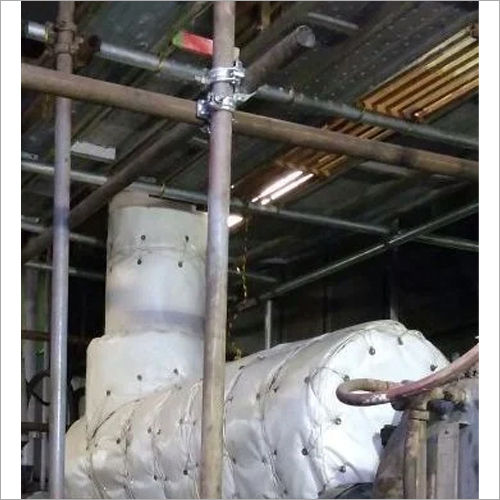
Removable and Reusable Insulation Jackets provide a range of benefits, including energy savings, personnel protection, and equipment protection. They can help reduce energy consumption by minimizing heat loss from equipment and pipes, and can also improve worker safety by reducing the risk of burns from hot surfaces. In addition, Removable and Reusable Insulation Jackets can help protect equipment and machinery from damage due to exposure to high temperatures and chemicals. They are commonly used in industries such as oil and gas, chemical processing, and power generation.
Superior Thermal and Environmental ProtectionOur insulation jackets incorporate high-density mineral wool or ceramic fiber, offering exceptional heat retention while minimizing heat loss. The robust outer layer is engineered to resist moisture, oil, chemicals, and harsh weather, ensuring reliable performance in demanding environments. The jackets' UV-stabilized coating makes them suitable for both indoor and outdoor installations, effectively protecting critical infrastructure year-round.
Customizable and User-Friendly InstallationThese insulation jackets are available in a range of sizes, thicknesses (25mm to 150mm), and widths to fit specific project needs. Installation is straightforward-simply wrap the jacket around the equipment and secure it with built-in straps, Velcro, hooks, D-rings, or drawstrings. Each unit includes detailed installation guidelines, and jackets are pre-fabricated and labeled for easy project identification and handling on-site.
FAQ's of Removable and Reusable Insulation Jackets:
Q: How are the removable insulation jackets installed and removed?
A: The insulation jackets are designed for quick and easy installation-just wrap them around the targeted pipes, machinery, or equipment and fasten using your preferred system (Velcro, hooks, drawstrings, D-rings, or straps). Removal follows the same process, making them fully reusable and convenient for maintenance or inspection.
Q: What advantages do these jackets offer over traditional insulation methods?
A: They are reusable for over 200 cycles, simple to install and remove, and minimize downtime. Their multi-layered, highly durable design ensures consistent performance even in harsh industrial environments, while their custom fit, moisture, and UV resistance reduce risks of under-insulation corrosion and premature wear.
Q: When should removable insulation jackets be used in an industrial facility?
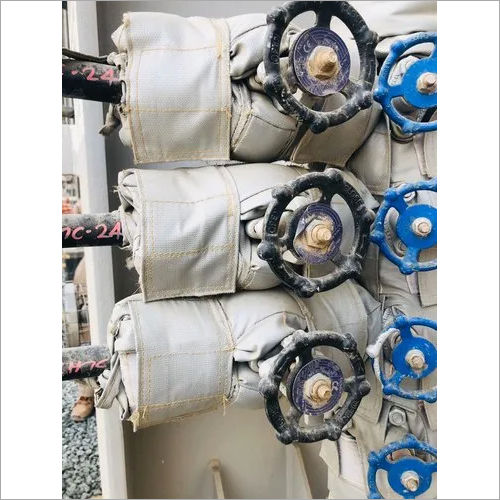
A: Removable insulation jackets are ideal when frequent equipment access, inspection, or maintenance is needed. They are particularly useful on valves, flanges, and machinery where traditional, permanent insulation inhibits regular servicing.
Q: Where can these insulation jackets be applied?
A: They are suitable for thermal insulation on a wide range of industrial equipment, including piping, valves, flanges, and machinery. Their environmental resistance makes them effective both indoors and outdoors across industries such as power generation, chemical processing, and manufacturing plants.
Q: What are the key materials and features of these jackets?
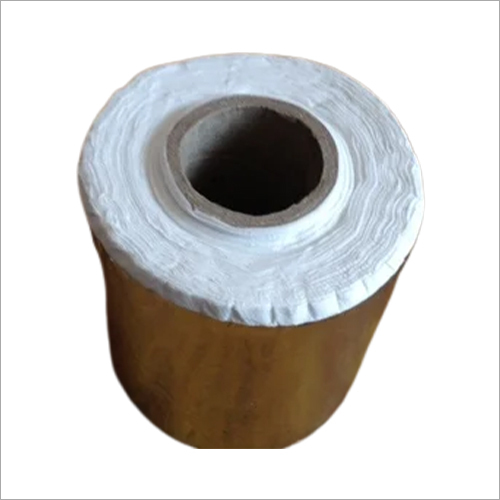
A: The jackets feature a core of mineral wool or ceramic fiber for insulation, an outer layer of silicone or PTFE coated fiberglass for protection, and customizable fastening systems. They are resistant to moisture, oil, UV rays, chemicals, weather, and fire (meeting ASTM E84 Class 1 standards), while offering high tensile strength and low thermal conductivity.
Q: How do these jackets benefit equipment maintenance and operations?
A: Their removable nature enables efficient access for routine inspections and repairs, reducing overall maintenance time and operational costs. The jackets' easy-to-clean surface means less downtime is required for upkeep, helping facilities maintain safety and energy efficiency.
Q: Are custom sizes and branding options available?
A: Yes, jackets are made to match specific equipment sizes as per client requirements. Optional custom printing of company logos and safety markings can be provided upon request, supporting plant identification and compliance needs.

 Send Inquiry




 Send Inquiry

 Send Inquiry