About Multi Layer Insulation For Cryogenic
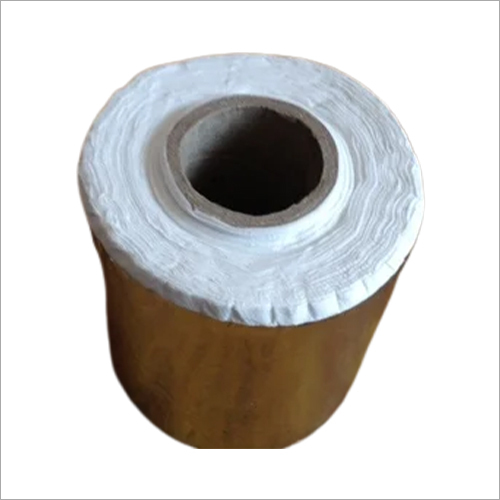
Multi Layer Insulation For Cryogenic is a type of thermal insulation system that is commonly used in cryogenic applications, where extremely low temperatures are required. MLI consists of multiple layers of thin reflective materials, such as Mylar or Kapton, separated by spacers or supports to create a series of insulating pockets. Multi Layer Insulation For Cryogenic is used to maintain the low temperatures required for the storage and transportation of cryogenic fluids such as liquid nitrogen, liquid oxygen, and liquid hydrogen.
Optimal Thermal and Moisture ProtectionThis insulation effectively maintains cryogenic temperatures, with a thermal conductivity of less than 0.05 W/mK and maximum water absorption below 0.1%. Its high moisture barrier and corrosion resistance ensure reliable performance in demanding environments, helping preserve the integrity of sensitive storage and transfer operations.
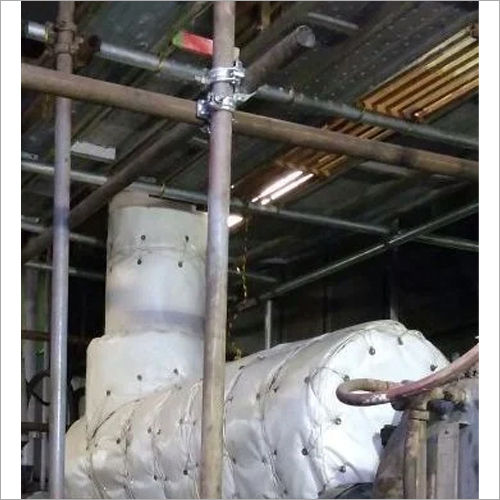
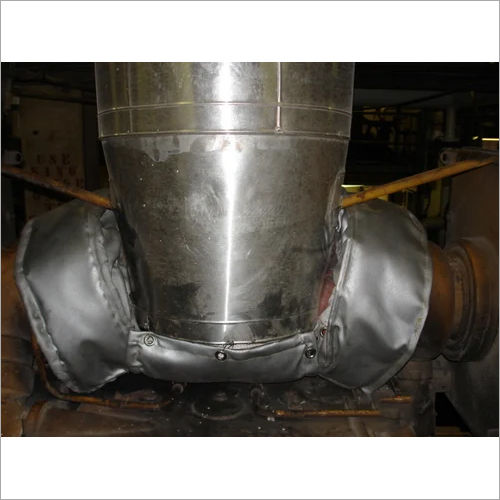
Versatility in Cryogenic EnvironmentsEngineered for flexibility, the MLI adapts seamlessly to tanks and piping, thanks to its roll form and customizable sizes. With excellent tensile strength and lightweight properties, it can be easily handled and installed in diverse applications, from laboratories and industrial plants to large-scale storage facilities.
Rigorous Safety and Longevity StandardsThis insulation is flame resistant, meeting ASTM E84, and features an aluminized surface for added protection. Its breakdown voltage exceeds 2000V, contributing to overall safety. With a decade-long shelf life and robust durability, it outperforms conventional alternatives in both operational lifespan and reliability.
FAQ's of Multi Layer Insulation For Cryogenic:
Q: How is Multi Layer Insulation (MLI) installed for cryogenic applications?
A: MLI should be installed by wrapping it in staggered layers around the cryogenic vessel or piping, ensuring minimal compression during installation. This approach maintains its excellent insulation properties and maximizes thermal performance.
Q: What makes this insulation ideal for cryogenic storage and transfer?
A: Its low thermal conductivity (<0.05 W/mK), low emissivity, high moisture barrier, and wide operating temperature range (-269C to +80C) make it particularly effective for reducing heat transfer in extreme cold environments, ensuring optimal performance in cryogenic systems.
Q: When should I consider replacing the MLI insulation?
A: The insulation has a shelf life of 10 years under proper storage and use conditions. If you observe physical damage, reduced performance, or contamination, it is advisable to replace the insulation to maintain system integrity.
Q: Where can Multi Layer Insulation be applied?
A: MLI is suitable for various cryogenic storage and transfer setups, including tanks, pipelines, transportation vessels, and laboratory equipment requiring reliable thermal insulation and moisture resistance.
Q: What is the primary benefit of the aluminized surface treatment?
A: The aluminized surface reduces emissivity (0.03-0.05), minimising radiant heat transfer and enhancing the overall thermal efficiency of the insulation, particularly in vacuum or low-temperature environments.
Q: How does the product ensure resistance to moisture and corrosion?
A: With water absorption below 0.1% and high moisture barrier properties, the insulation prevents ingress of water vapor. Its corrosion resistance further protects underlying materials from degradation over time.

 Send Inquiry




 Send Inquiry

 Send Inquiry